A calm morning starts with a realistic finish time
Build your wedding morning backward from the time you need to leave the getting-ready location. Confirm service durations with your hair and makeup professionals, photography plans with your photographer, and travel time with your transport provider. An attractive sample schedule cannot replace those conversations.
The key milestone is not simply “ceremony begins.” You may need to arrive early for an officiant meeting, family photographs, a private first look, or a venue access procedure. Ask what must happen before guests arrive. Then add dressing time, travel, and a margin that reflects your particular locations.
Keep one current schedule and share it with the people doing the work. Put a version date at the top so nobody follows an older screenshot. If plans change, update the main document and tell affected people directly. A shared plan only helps when people know which version is final.
Count the people, services, and workstations
Write down everyone receiving professional services, which services each person needs, and any order preferences. A single stylist working on several people creates a different schedule from two stylists working in parallel. Ask the team to confirm the sequence rather than dividing the available time evenly yourself.
Check the room. Hair tools need suitable outlets, makeup needs useful light, and everyone needs a place to put bags without blocking the working area. Ask providers about their setup requirements. A tiny room with beautiful wallpaper may be difficult for a large group and several professionals.
Give each participant a clear arrival time. “Come early” can create a crowded room long before anyone needs to be there. Tell people whether to arrive with dry hair, a clean face, particular clothing, or other preparations requested by their provider. Share those instructions exactly instead of paraphrasing technical details.
Sample schedule for a 4 p.m. ceremony
This illustrative schedule assumes a getting-ready location about twenty minutes from the venue, a relatively small service group, and no separate first-look session. Your suppliers should adjust the timings for your group, travel conditions, and ceremony requirements.
| Time | Activity | Planning note |
|---|---|---|
| 8:30 a.m. | Breakfast and room setup | Keep food away from clothing and workstations |
| 9:00 a.m. | Hair and makeup services begin | Use the team’s confirmed order |
| 11:30 a.m. | Light lunch and hydration | Arrange someone to collect or serve food |
| 12:15 p.m. | Photographer arrives | Gather details and identify important people |
| 1:00 p.m. | Final services and touch-ups | Allow for the provider’s finish checks |
| 1:30 p.m. | Get dressed | Include fastenings, shoes, jewelry, and movement |
| 2:00 p.m. | Portraits and close-family pictures | Use a short agreed photograph list |
| 2:45 p.m. | Pack and prepare to leave | Check rings, documents, phones, and personal items |
| 3:00 p.m. | Depart for venue | Leave margin beyond the estimated drive |
| 3:20 p.m. | Venue arrival and private pause | Coordinate any officiant or venue checks |
| 4:00 p.m. | Ceremony | A designated helper handles routine questions |
If portraits need longer, move earlier activities forward rather than quietly removing every break. If a stylist says the service schedule needs another hour, accept the information and revise the plan. A timeline should describe work that can happen, not a hopeful version of how quickly people might move.
Protect breakfast and a proper pause
Plan food as deliberately as flowers. Choose something easy to eat and familiar to the people involved. Arrange a small lunch or substantial snacks before dressing, and keep water available. Designate a helper to manage packaging and cleanup so the room does not become cluttered.
Do not schedule every person for every activity. Someone waiting for a short appointment can rest elsewhere and return at a clear time. Give children, older relatives, and anyone with access needs a comfortable alternative to spending hours in a busy preparation room.
Include a quiet moment without a camera if you want one. Tell the photographer beforehand rather than trying to negotiate the pause while already feeling rushed. Ten minutes with a partner, parent, or close friend can be planned as intentionally as a portrait session.
Make clothing and detail photographs easy
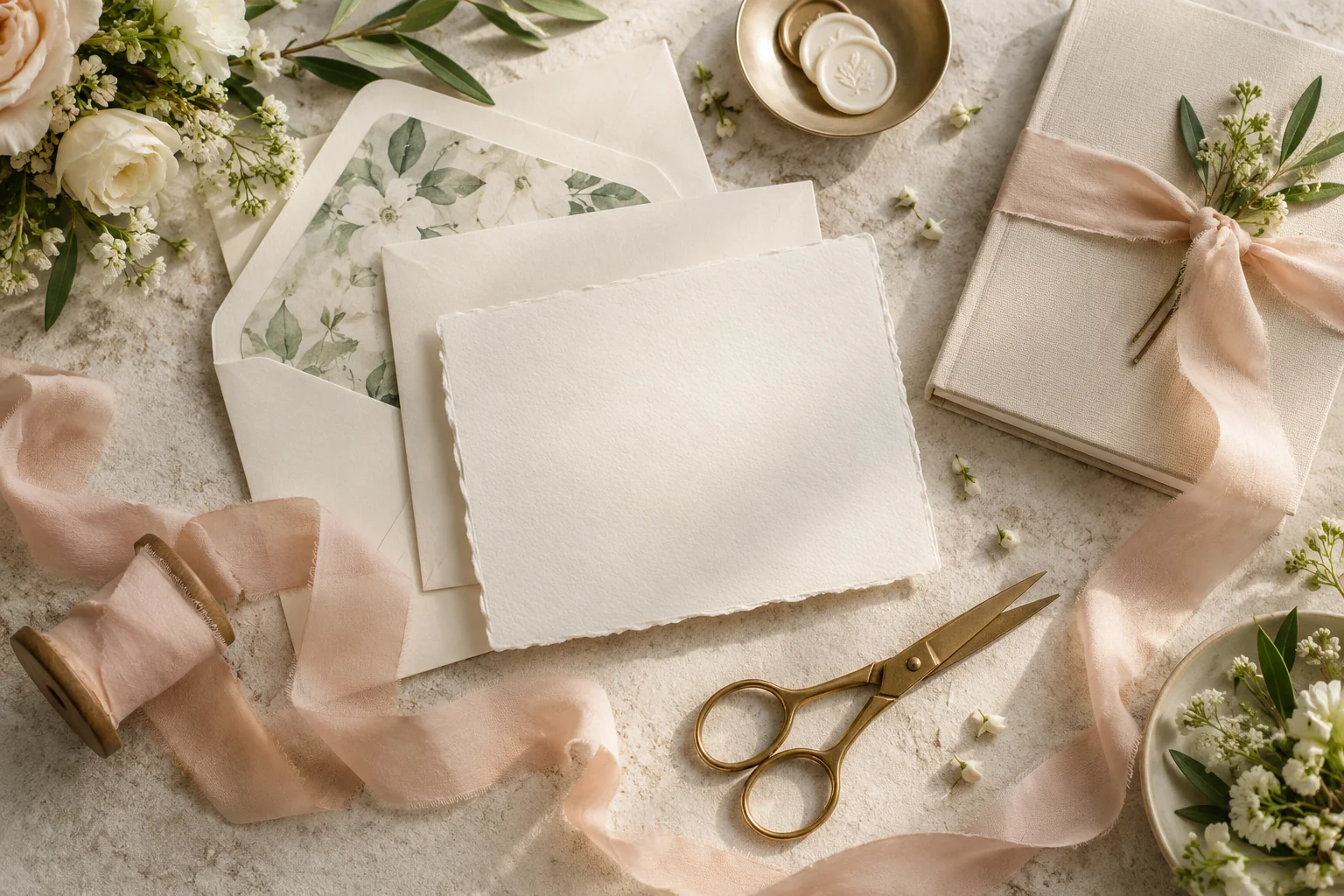
Gather items you would like photographed in one place: invitations, rings, jewelry, shoes, or a meaningful keepsake. Only include things that matter to you. Your photographer can advise what is realistic within the coverage you booked. You do not need to buy extra objects for a photograph.
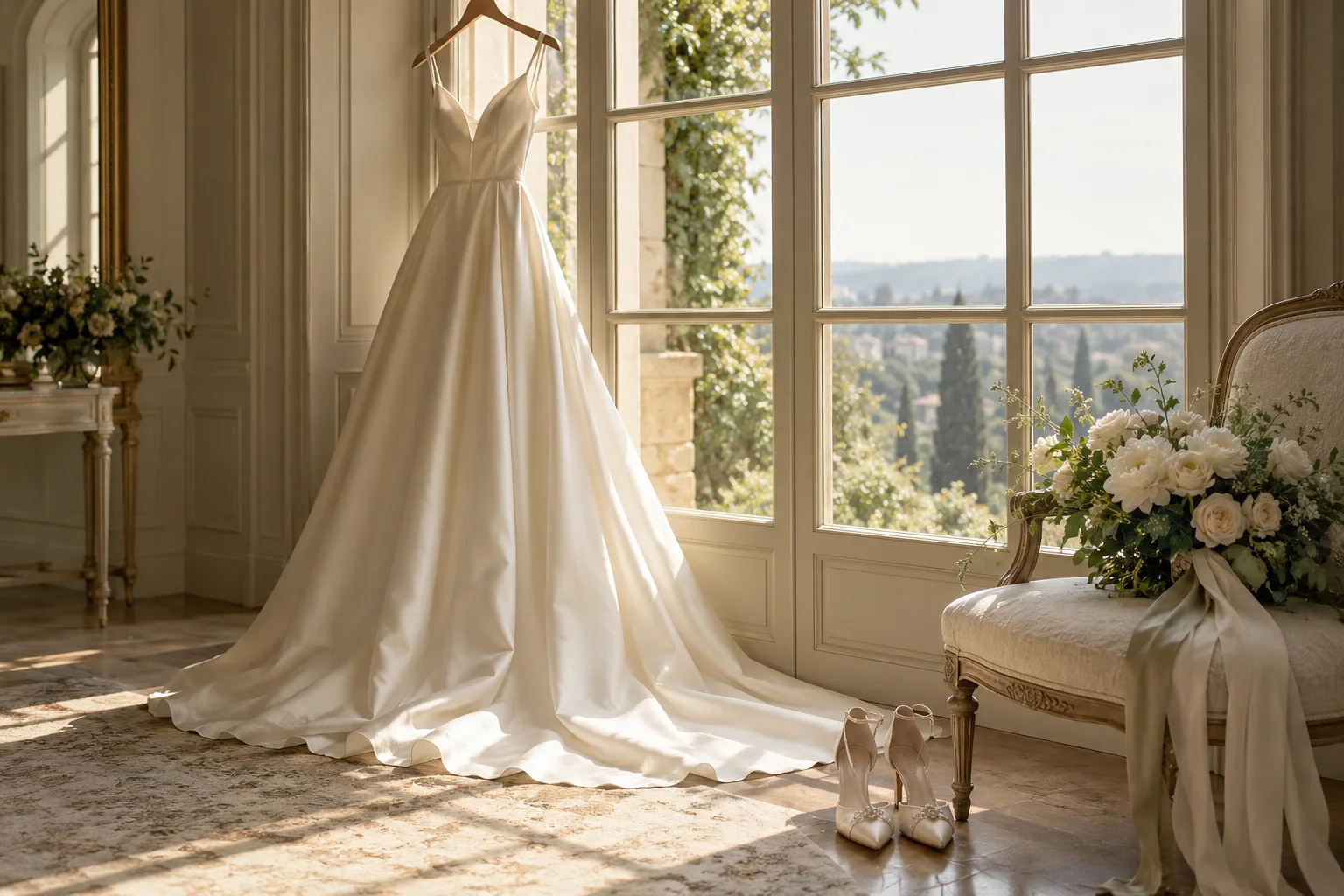
Try the outfit beforehand with the person helping you dress. Learn the closures, any bustle arrangement, and how to manage stairs and sitting. Put instructions where the helper can find them. A complicated fastening can take much longer on the day if nobody has practiced.
Keep the room's most useful window reasonably clear. Move bags into a designated area, but do not turn preparation into constant styling. The room needs to function for the people getting ready. A tidy corner usually helps more than repeatedly stopping everyone to hide evidence of normal activity.
Decide who handles interruptions
Choose one contact for deliveries and supplier questions. Give that person the schedule, venue contact, and the authority to answer ordinary logistical questions. Tell suppliers to use that contact during your getting-ready period. Ask the helper first and keep the role manageable.
Separate emotional support from administration if possible. A friend who is helping you stay calm may not also be the best person to direct parking or receive flowers. Small, specific responsibilities are easier to carry out than a general instruction to “make sure everything goes well.”
Share a simple emergency rule: contact you for decisions involving safety, consent, or a major change, and handle minor setup choices through the agreed plan. The goal is to reduce avoidable interruptions while keeping you informed about things that actually require your attention.
If the morning runs late
Pause and identify the real deadline. Tell the photographer and coordinator what has changed. Ask them which photographs or optional moments can move later. Avoid instructing people to rush delicate services or unsafe travel to recover a few minutes.
Drop an optional activity before removing the time needed to dress or travel. A photograph of every accessory can be skipped; getting everyone safely to the venue cannot. Let affected people know the revised departure time and appoint one person to communicate updates.
Pack the night before, keep the morning guest list intentional, and resist adding new errands. The day will still contain surprises. A workable timeline gives those surprises somewhere to fit, so you can spend less energy checking the clock and more time being present.