Ask the guest of honor before choosing a theme
A personal bridal shower begins with permission and preferences. Ask whether the bride wants a shower, what kind of gathering she would enjoy, and which traditions she would rather skip. A quiet lunch, a mixed-group celebration, or no shower at all may suit her better than the event someone else imagined.
Clarify whether the gathering is intended as a gift-giving shower or simply a celebration. That distinction affects invitations, expectations, and how guests prepare. If the couple prefers a different name or a celebration for both partners, follow their lead. The purpose is to make them feel supported.
Avoid planning around a surprise unless you are confident the person welcomes surprises. Food restrictions, social anxiety, travel needs, and family circumstances can make a well-meant surprise uncomfortable. You can keep a small decorative detail secret while agreeing on the date, guest list, and general format.
Agree on hosting and spending responsibilities
A friend, relative, or group can offer to host. Decide who is paying, who is organizing, and who has authority to approve expenses. These can be different people, but everyone needs the same understanding before bookings begin. Hosting arrangements vary between families and communities.
Set an affordable total and discuss contributions privately. Do not commit a cohost to expenses they have not approved. If several people are involved, divide actual jobs: invitations, food, setup, guest communication, and cleanup. “Help with everything” is not a useful assignment.
Ask about household items you can borrow before buying decorations. A simple table set with ordinary plates can feel welcoming with good food and a considered arrangement. Spending more on props rarely repairs an event that lacks enough seating, shade, or time for conversation.
Keep the guest list and date coordinated
Work from a guest list approved by the couple. As a general approach, avoid inviting someone to a gift-focused shower if they are not invited to the wedding, unless the circumstances and expectations are clearly understood. Workplace gatherings and community customs can differ; discuss the situation openly instead of applying a rule without context.
Check the date with essential participants and leave enough time for travel planning. If wedding guests live far apart, ask whether the shower should coincide with another visit. Combining events can reduce travel, but it can also make a weekend tiring. Do not assume everyone can attend several celebrations.
Record names and addresses carefully. Keep the invitation format accessible to the group. A digital invitation may be convenient, while some guests may need a phone call or printed version. The important information is the same: host, purpose, date, place, RSVP instructions, and any useful practical detail.
Choose one idea that suits her
Instead of starting with a color palette, start with an interest. A bride who gardens may enjoy a lunch with potted herbs; a keen reader might appreciate a favorite-book exchange without compulsory gifts. A good idea gives the event a gentle direction without requiring guests to perform a theme.
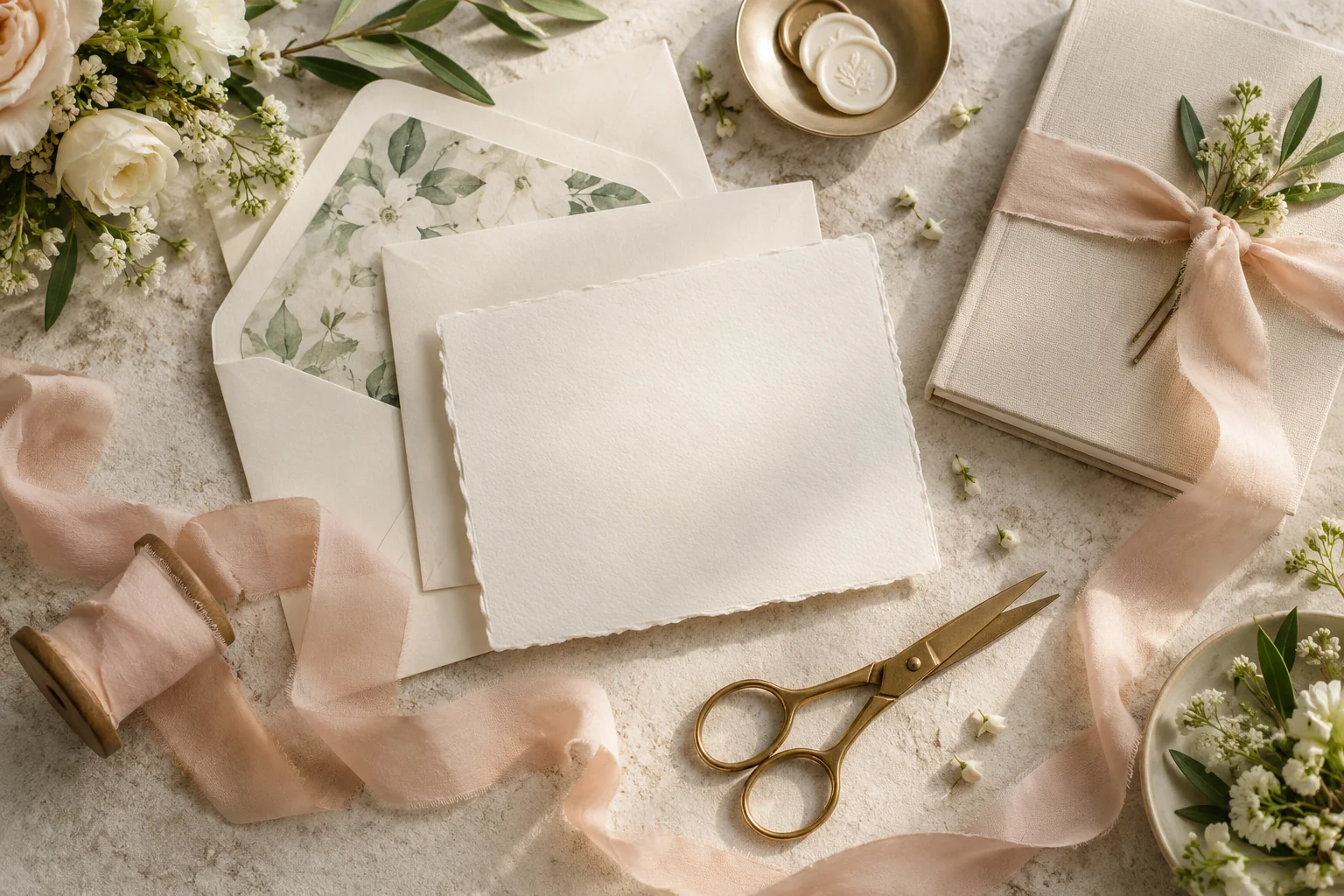
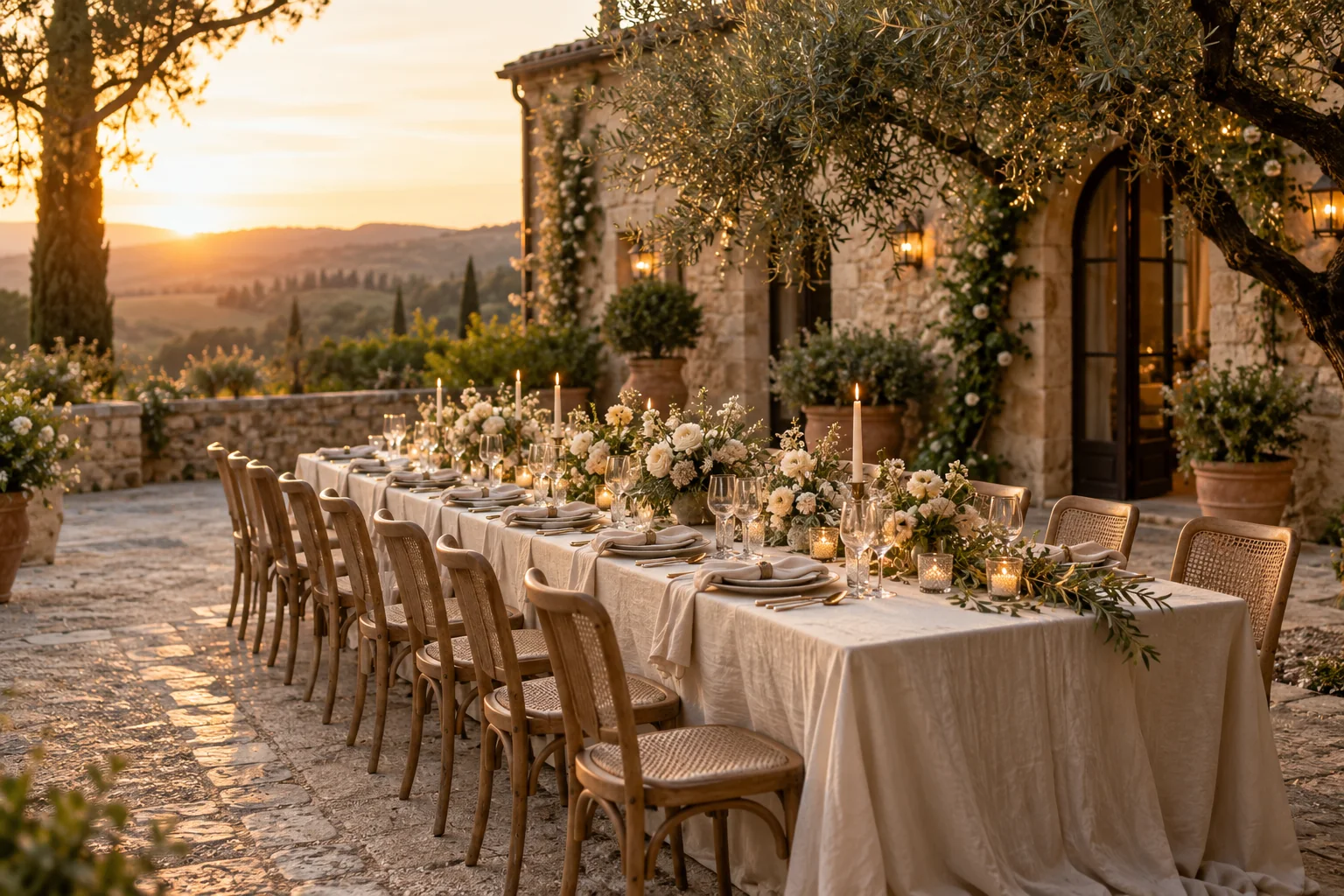
Keep the visual choices limited. Choose one main flower or foliage, one table color, and simple stationery. Repetition can make ordinary materials feel intentional. Avoid covering every surface; leave room for guests to put down plates, handbags, and glasses.
If a dress suggestion is part of the theme, make it optional and affordable. Guests should not need to buy a new outfit to attend a daytime gathering. Provide practical notes about outdoor surfaces, heat, or seating rather than a complicated aesthetic brief.
Plan food for comfort and timing
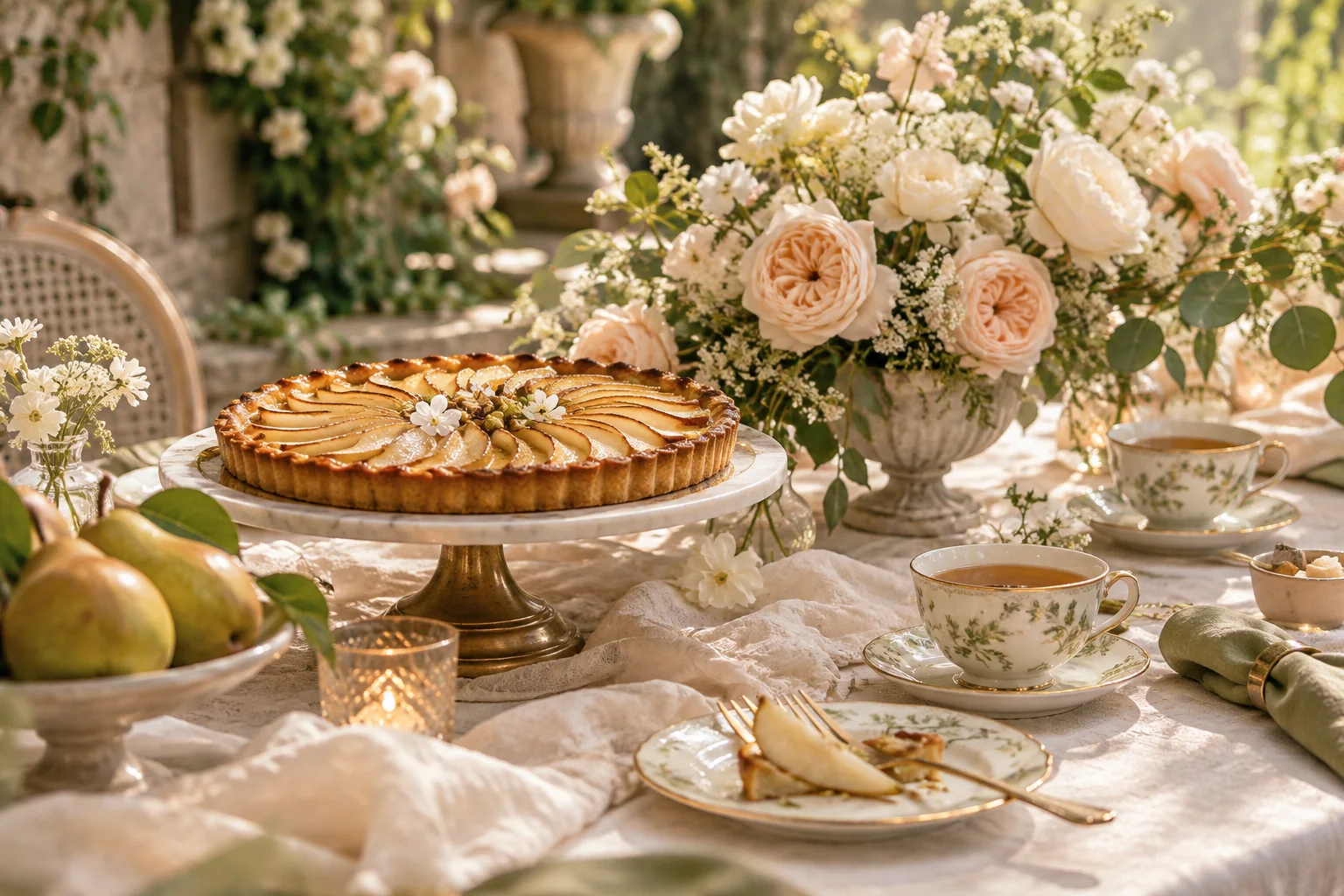
Choose a menu that fits the time of day and the space. A gathering at lunchtime needs a meal or a clear description of lighter refreshments. Tea and cake can work beautifully for a shorter afternoon event, provided guests know what to expect.
Ask guests about dietary requirements through the RSVP process. Share relevant details with the person preparing the food and ask how cross-contact concerns will be handled. Label dishes clearly where useful. Avoid promising accommodation that the kitchen cannot reliably provide.
Arrange a realistic serving plan. Who refills water? Where will hot dishes wait? Are there enough utensils? A buffet may need space on both sides, and guests with limited mobility may appreciate help carrying plates. These small decisions often matter more than an elaborate centerpiece.
Activities should leave room for conversation
Choose one or two activities, with permission to sit out. Guests might write a favorite recipe, offer a practical wish for married life, or contribute a short memory. Give clear instructions and keep the activity brief enough that it does not take over the gathering.
Avoid quizzes that expose private information, jokes about former relationships, or games built around embarrassment. Ask the bride whether she wants public gift opening. If she does, keep a discreet list of gifts and senders so thank-you notes are easier later. If she does not, tell guests the plan naturally.
Music can help the room feel settled, but keep the volume low enough for conversation. Provide name introductions across social groups. One helpful sentence about how two people know the bride can do more for the atmosphere than a stack of printed icebreakers.
An example two-hour schedule
| Time | Plan | Host responsibility |
|---|---|---|
| 0:00–0:20 | Arrivals and drinks | Introduce guests and show seating |
| 0:20–1:00 | Lunch or substantial refreshments | Check serving and dietary requests |
| 1:00–1:20 | One optional shared activity | Explain briefly and keep the pace gentle |
| 1:20–1:45 | Dessert and optional gifts | Record gifts if opened |
| 1:45–2:00 | Farewells | Help with transport and belongings |
Use this as an illustration, not a fixed formula. Allow more time for a full meal or a larger group. Send a clear end time if guests have childcare, work, or travel commitments. A graceful event respects the schedule people agreed to.
Finish with an easy handoff
Arrange transport for gifts before the shower begins, and agree who will take any borrowed items home. Keep cleanup responsibilities with the hosts rather than assuming the guest of honor will stay behind. Pack food only where storage and transport are suitable.
Afterward, share the gift record privately and send a short thank-you to anyone who helped host. Note borrowed items that still need returning. The most personal shower is often the one that asks the least of its guest of honor while giving her time to enjoy the people around her.